


Credit Repair Houston: A Smarter Guide to Rebuilding Your Credit and Unlocking Better Financial Opportunities
For many people, the journey toward better credit doesn’t begin with a financial plan—it begins with disappointment.
A mortgage application is declined.
A car loan comes back with a much higher interest rate than expected.
A landlord asks for a larger security deposit.
A business loan is denied even though the business itself is doing well.
In each of these situations, one factor often influences the outcome: your credit profile.
If you’ve been searching for credit repair Houston, chances are you’re not simply trying to increase a three-digit number. You’re trying to improve your financial opportunities. Whether your goal is buying a home, refinancing debt, qualifying for better financing, or preparing your business for growth, your credit history can influence nearly every major financial decision you make.
The encouraging news is that poor credit doesn’t have to define your future. Credit reports can contain mistakes. Financial setbacks can be overcome. Strong financial habits can gradually rebuild your creditworthiness over time.
At Masters Credit Consultants, we’ve found that the most successful clients aren’t necessarily those with the highest incomes—they’re the ones who understand how the credit system works and take consistent, informed action.
This guide explains what actually matters, what doesn’t, and how Houston consumers can make smarter decisions that support long-term financial success.

Why Credit Matters More Than Ever in Houston
Houston has long been recognized as one of America’s strongest economic centers. Home to world-class healthcare institutions, energy companies, manufacturing, logistics, technology firms, and thousands of small businesses, it continues to attract families, entrepreneurs, and professionals looking to build better futures.
With opportunity, however, comes financial responsibility.
Buying a home in Houston’s competitive housing market often requires a strong credit profile. The same is true when financing a vehicle, securing affordable insurance, leasing commercial space, or applying for business capital.
At the same time, Houston residents face many of the same financial pressures seen across the country. Unexpected medical expenses, temporary job loss, rising living costs, divorce, identity theft, and periods of high inflation can all affect someone’s ability to keep up with payments. Even financially responsible people may experience setbacks that eventually appear on their credit reports.
That’s why credit repair isn’t about “fixing bad credit.” It’s about rebuilding financial opportunity.
A healthier credit profile may help you:
- Qualify for lower mortgage interest rates
- Reduce monthly vehicle payments
- Improve approval odds for premium credit cards
- Access personal and business financing
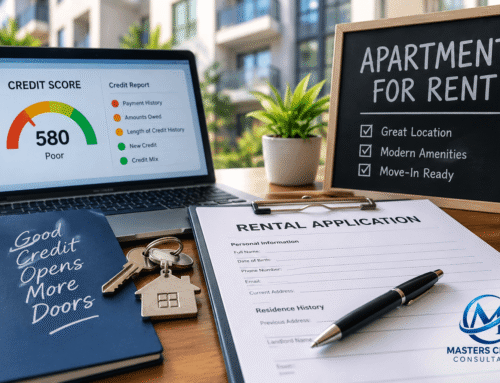
- Rent a home or apartment more easily
- Lower certain insurance costs
- Build greater financial flexibility
When viewed this way, improving your credit becomes an investment rather than an expense.
What Lenders Actually See When They Review Your Credit
Many people assume lenders focus only on one number—their credit score.
In reality, your score is only the beginning.
When you apply for financing, lenders evaluate your overall credit profile to understand how you’ve managed credit over time and how much risk may be involved in lending to you.
Think of your credit report as a financial résumé. Just as an employer reviews your work history before offering you a job, lenders review your borrowing history before deciding whether to approve your application.
Here are some of the areas they typically examine:
| What Lenders Review | Why It Matters |
|---|---|
| Payment History | Shows whether you’ve consistently paid your financial obligations on time, making it one of the strongest indicators of future repayment behavior. |
| Credit Utilization | Indicates how much of your available revolving credit you’re currently using. Lower utilization generally reflects responsible credit management. |
| Collection Accounts | May suggest unresolved financial obligations that could increase lending risk and negatively affect credit decisions. |
| Charge-Offs | Reflect accounts that creditors have written off after extended nonpayment, signaling a history of serious delinquency. |
| Length of Credit History | Demonstrates your long-term experience managing credit and helps lenders evaluate financial stability over time. |
| Recent Credit Applications | Helps lenders determine whether you’ve recently sought additional credit, which may indicate increased borrowing activity. |
This broader perspective explains why two people with similar credit scores may receive very different loan offers. A lender isn’t simply asking, “What’s your score?” They’re asking, “How likely is this person to repay the loan as agreed?”
Understanding that distinction can change the way you approach credit improvement.
The Biggest Misconception About Credit Repair
One of the most common myths is that credit repair is about removing negative information.
It isn’t.
Legitimate credit repair focuses on accuracy.
Federal consumer protection laws give you the right to dispute information that is inaccurate, incomplete, or cannot be verified. If an account is reported incorrectly, duplicates another account, belongs to someone else, or contains factual errors, you have the right to request that it be investigated.
What legitimate credit repair cannot do is erase accurate negative information simply because it affects your score.
That distinction is important because it separates reputable credit professionals from companies that make unrealistic promises.
A trustworthy credit repair strategy combines three elements:
- Ensuring your credit reports are accurate.
- Addressing financial issues that can be improved.
- Building habits that strengthen your credit over time.
Real progress comes from improving the quality of your overall credit profile—not chasing shortcuts.
The Credit Challenges We See Most Often
Every credit report tells a different story.
Some people are recovering from a difficult financial period. Others have excellent income but little established credit history. Some simply discover errors while preparing to purchase a home.
Although every situation is unique, certain patterns appear more often than others.
High Credit Card Balances
One of the most common issues is carrying balances that use a large percentage of available credit.
Many consumers continue making their monthly payments but don’t realize that high utilization alone may affect lending decisions.
Lowering revolving balances is often one of the most effective ways to strengthen a credit profile.
Missed Payments During Financial Hardship
Life doesn’t always go according to plan.
Unexpected medical expenses, reduced work hours, family emergencies, or temporary unemployment can make it difficult to stay current on financial obligations.
While payment history remains an important part of your credit profile, one difficult season doesn’t have to define your financial future.
How to Review Your Credit Report the Right Way
Before disputing anything, you need accurate information.
A complete review of your reports helps you understand what’s helping—and hurting—your credit profile.
When obtaining your reports, consider using IdentityIQ for comprehensive monitoring and insights.
IdentityIQ Preferred Monitoring
IdentityIQ $1 (7-Day Trial)
https://www.identityiq.com/securepreferred.aspx?offercode=431295SH
Features include:
- Experian®, Equifax®, and TransUnion™ Reports & Scores
- Refresh reports every 30 days
- Daily three-bureau monitoring
- Credit alerts
- Dark Web Monitoring
- $1,000,000 Identity Theft Insurance
After reviewing your reports, pay close attention to:
- Personal information
- Credit inquiries
- Collection accounts
- Payment history
- Account balances
- Open and closed accounts
- Public records
- Repossessions
- Charge-offs
Many consumers are surprised to discover errors that may have gone unnoticed for years.
Collection Accounts
Collection accounts often create confusion.
Some are accurate.
Others contain outdated information, duplicate reporting, incorrect balances, or ownership questions that deserve closer review.
Understanding exactly what appears on your reports before taking action is always a better strategy than making assumptions.
Identity Theft and Fraud
Identity theft continues to affect consumers every year.
Unauthorized accounts, unfamiliar addresses, or unexpected inquiries may all indicate fraudulent activity.
Regular credit monitoring helps identify potential problems early, making them easier to address before they affect future lending decisions.
Reporting Errors
Many people are surprised to learn that credit reporting mistakes happen more often than they expect.
Examples include:
- Incorrect payment history
- Duplicate accounts
- Accounts belonging to another individual
- Incorrect balances
- Outdated information that should no longer appear
- Personal information errors
Even relatively small reporting mistakes may influence how lenders evaluate your application.
That’s why reviewing your credit reports carefully is one of the most valuable financial habits you can develop.
Credit Repair Is Really About Creating Better Financial Opportunities
One of the biggest mistakes consumers make is viewing credit repair as the finish line.
In reality, it’s the starting point.
The goal isn’t simply to qualify for your next loan. It’s to build a financial foundation that gives you more choices in the future.
A stronger credit profile can help you purchase a home with greater confidence, finance a reliable vehicle, qualify for business funding, reduce borrowing costs, and prepare for opportunities that may not even exist today.
Credit improvement isn’t about achieving a “perfect” score. It’s about building trust with future lenders through consistent financial decisions over time.
In the next section, we’ll move beyond understanding your credit profile and focus on what you can actually do to strengthen it. We’ll walk through a practical 90-day credit improvement roadmap, discuss common mistakes that delay progress, explain when professional guidance can make a difference, and show you how to choose a credit repair company that puts your long-term financial success first.
Your 90-Day Credit Improvement Blueprint
One of the biggest misconceptions about improving your credit is believing that everything needs to happen at once.
In reality, successful credit improvement is a process. The goal isn’t to fix every issue overnight—it’s to make the right improvements in the right order. Small, consistent actions often produce better long-term results than trying to solve every problem immediately.
Whether you’re preparing to purchase a home, finance a vehicle, qualify for business funding, or simply strengthen your financial position, having a clear plan can help you move forward with confidence.
Days 1–30: Understand Where You Stand
Before making any financial decisions, you need a complete picture of your credit profile.
Many consumers are surprised to discover that the information reported by one credit bureau isn’t always identical to another. That’s why reviewing your complete credit history is the foundation of every successful credit improvement strategy.
During your first month, focus on understanding—not reacting.
Review your credit reports carefully and ask yourself:
- Are all accounts actually mine?
- Are balances reported correctly?
- Are payment histories accurate?
- Are there duplicate accounts?
- Are there collection accounts I don’t recognize?
- Are there outdated items that deserve further review?
This stage is about organizing information before taking action. Making assumptions or rushing into disputes without understanding your report can create unnecessary confusion.
It’s also a good time to create a simple overview of your finances, including your monthly income, recurring expenses, outstanding debts, and financial goals. Understanding your overall financial picture helps you make decisions that improve both your credit and your long-term financial health.
Days 31–60: Strengthen the Areas You Can Control
Once you understand your credit profile, shift your attention to the factors that are within your control.
This is where meaningful progress often begins.
Prioritize actions such as:
- Making every payment on or before its due date.
- Reducing high revolving credit card balances whenever possible.
- Avoiding unnecessary applications for new credit.
- Following up on any legitimate disputes you have submitted.
- Building a realistic monthly budget that supports consistent payments.
Many people focus entirely on removing negative information while overlooking the positive habits that lenders value most.
Remember, every month of responsible financial behavior adds another positive chapter to your credit history.
Days 61–90: Prepare for Your Next Financial Opportunity
By this stage, you should have a clearer understanding of your financial position and a stronger foundation for moving forward.
Instead of asking, “How much has my score increased?” begin asking:
- Am I in a stronger financial position than I was three months ago?
- Have I developed better financial habits?
- Have I reduced unnecessary debt?
- Have I positioned myself for future lending opportunities?
Credit improvement isn’t measured only by numbers. It’s measured by financial readiness.
Whether your next goal is purchasing a home, refinancing debt, buying a vehicle, or expanding your business, the work you’ve done over the past three months helps build greater confidence when that opportunity arrives.
Focus on the Problems That Matter Most
Not every item on your credit report carries the same weight.
One of the biggest mistakes consumers make is trying to address every account equally instead of prioritizing the issues that may have the greatest impact on their overall financial profile.
A strategic approach often produces better results than attempting to fix everything simultaneously.
Generally, consumers should begin by focusing on:
Payment Consistency
Your current payment behavior tells lenders more about your financial reliability than promises about future intentions.
Even if you’ve experienced financial difficulties in the past, demonstrating consistent on-time payments today helps establish a stronger pattern moving forward.
Revolving Debt
High credit card balances can affect your borrowing power even when payments are current.
Reducing revolving debt not only strengthens your credit profile but may also improve your monthly cash flow by lowering interest costs.
Credit Report Accuracy
Credit reports should accurately reflect your financial history.
If inaccurate, incomplete, or unverifiable information appears on your reports, understanding your rights and taking appropriate action helps ensure lenders are evaluating correct information.
Financial Stability
Lenders evaluate more than individual accounts.
They also consider the overall picture your credit history presents.
Consistent employment, responsible borrowing, manageable debt, and stable payment patterns all contribute to stronger financial credibility.
The Hidden Cost of Waiting
Many consumers postpone improving their credit because they believe they’ll address it “when they’re ready” to apply for financing.
Unfortunately, that’s often the most expensive time to begin.
Imagine two homebuyers purchasing similar homes.
One qualifies for a lower interest rate because they spent several months improving their credit before applying.
The other applies immediately with a weaker credit profile and receives a higher rate.
Although both purchase similar homes, the second borrower may pay significantly more in interest over the life of the loan.
The same principle applies to auto financing, personal loans, business funding, and even certain insurance products.
Strong credit doesn’t simply increase approval odds—it can reduce the overall cost of borrowing.
Improving your credit before you need financing often provides the greatest financial benefit.
What Should You Look for in a Credit Repair Company?
Choosing a credit repair company shouldn’t be based on promises of overnight results or guaranteed score increases.
Instead, look for a company that prioritizes education, transparency, and long-term financial success.
A reputable credit consultant should take the time to understand your unique situation rather than offering the same solution to every client.
When evaluating a credit repair company, ask questions such as:
- Do they explain the credit repair process clearly?
- Do they review all three credit reports?
- Do they provide realistic expectations?
- Do they communicate regularly throughout the process?
- Do they focus on long-term financial improvement rather than quick fixes?
- Do they help you understand your credit rather than simply asking you to sign paperwork?
Avoid companies that promise to remove all negative information or guarantee a specific credit score increase.
Legitimate credit repair is based on accuracy, consumer rights, and responsible financial management—not unrealistic promises.
Why Many Houston Consumers Choose Professional Guidance
Every financial situation is different.
Some consumers have only a few reporting issues to review, while others are balancing collections, charge-offs, high debt, identity theft concerns, or years of financial challenges.
Professional guidance can provide structure during what often feels like an overwhelming process.
Rather than wondering where to begin, experienced consultants help you understand your credit profile, identify opportunities for improvement, and create a personalized strategy aligned with your financial goals.
At Masters Credit Consultants, the focus extends beyond correcting credit report issues.
Clients receive education, personalized recommendations, and ongoing support designed to help them make informed financial decisions well into the future.
Whether you’re preparing to buy your first home, rebuild after financial hardship, or position yourself for business growth, improving your credit is about creating opportunities—not simply increasing a score.
Frequently Asked Questions
How long does credit repair take?
Every credit profile is different. Some consumers begin seeing improvements within a few months, while more complex situations require additional time. The timeline depends on the accuracy of your credit reports, your financial habits, and the specific issues affecting your credit history.
Can accurate negative information be removed?
Generally, accurate and verifiable information remains on your credit report for the period established by applicable laws. Legitimate credit repair focuses on correcting inaccurate, incomplete, or unverifiable reporting while helping consumers build stronger credit moving forward.
Is improving my credit worth the effort?
Absolutely.
Better credit may help you qualify for lower interest rates, improve approval odds, reduce borrowing costs, and create greater financial flexibility throughout your life.
Can I improve my credit before applying for a mortgage?
Yes.
In fact, many lenders recommend reviewing your credit several months before applying for a mortgage. This allows time to address reporting issues, reduce debt, and strengthen your overall financial profile before underwriting begins.
Should I monitor my credit regularly?
Yes.
Regular monitoring helps you track progress, identify potential reporting errors, and detect suspicious activity before it develops into a larger financial problem.
Your Financial Future Doesn’t Have to Be Defined by Your Past
Everyone’s financial journey includes challenges.
A temporary setback, unexpected medical expense, job transition, or difficult season shouldn’t prevent you from pursuing your long-term goals.
The important question isn’t where your credit stands today.
It’s where you want it to be a year from now.
Every on-time payment, every dollar of debt reduced, every financial decision made with intention helps build a stronger foundation for the future.
Whether you’re working toward homeownership, preparing to launch a business, refinancing existing debt, or simply seeking greater financial peace of mind, improving your credit is one of the most valuable investments you can make in yourself.
If you’re looking for trusted credit repair services in Houston, the team at Masters Credit Consultants is committed to helping individuals, families, and business owners better understand their credit, develop personalized improvement strategies, and make informed financial decisions with confidence.
You don’t have to navigate the process alone.
The sooner you understand your credit profile, the sooner you can begin building the financial future you deserve.
Ready to Take the Next Step?
Schedule a free consultation with Masters Credit Consultants and discover how a personalized credit improvement strategy can help you achieve your financial goals.
Whether you’re preparing to buy a home, qualify for better financing, rebuild after financial hardship, or strengthen your business opportunities, taking action today could open the door to greater possibilities tomorrow.
📞 Phone: 1-844-620-8796
🌐 Website: https://www.masterscredit.com
📅 Schedule Your Free Consultation:
https://www.masterscredit.com/sign-up/
Additional Helpful Links
- How Credit Repair Services Help You Qualify Faster
- Ultimate Guide to Credit Repair: A Proven Blueprint to Rebuild Your Credit and Create More Financial Opportunities
- DIY Credit Repair May Be Hurting Your Credit: Why Strategy Matters More Than Templates
- Why Your Credit Dispute Was Verified: Now What?
Related Questions
-
How long does credit repair take in Houston?
-
Is hiring a credit repair specialist better than fixing my credit on my own?
- What can a credit repair company legally remove from my credit report?
- What is the fastest way to improve your credit score in Houston?
- Can a credit repair specialist help remove inaccurate items from my credit report?
- What should I look for when choosing a credit repair company in Houston?










Leave A Comment