


Credit Fixing Services: A Guide to Improving Your Credit
If you’re searching for a credit fixing service, you probably want more than a quick explanation of credit repair. You want to know whether professional help can actually improve your credit, how the process works, what results you can realistically expect, and how to choose a service you can trust.
A credit fixing service can help you understand what’s affecting your credit profile, identify potentially inaccurate or incomplete information on your credit reports, organize the dispute process when appropriate, and develop better financial habits for the future.
But credit improvement is not about shortcuts.
The strongest approach combines accurate credit reporting, responsible credit management, consistent payments, lower balances, and a personalized strategy based on your financial situation.
In this guide, we’ll explain how credit fixing services work, who may benefit from professional credit help, what to look for when choosing a company, and the steps you can take to build better credit.

In This Guide You’ll Learn
- What a credit fixing service is
- How professional credit fixing works
- What credit repair companies can and cannot do
- Signs you may benefit from professional credit help
- How credit report errors are addressed
- What affects your credit score
- How to improve your credit alongside credit repair
- How long credit improvement may take
- How to choose a legitimate credit fixing company
- Questions to ask before hiring a credit repair service
What Is a Credit Fixing Service?
A credit fixing service is a professional service designed to help consumers review their credit reports, identify potentially inaccurate, incomplete, outdated, or unverifiable information, and take appropriate steps to address those issues.
A professional credit fixing company may also provide education and guidance to help consumers understand the factors influencing their credit.
Credit fixing does not mean creating a new credit identity, hiding legitimate debts, or automatically removing accurate negative information.
Instead, legitimate credit repair focuses on two important goals:
- Making sure the information reported about you is accurate.
- Helping you develop financial habits that can support stronger credit over time.
This distinction is important because sustainable credit improvement requires more than simply disputing negative accounts.
Your payment history, credit utilization, account history, new credit activity, and overall credit management can all affect your credit profile.
How Does a Credit Fixing Service Work?
Although every consumer’s situation is different, a reputable credit fixing service generally follows a structured process.
1. Review Your Credit Reports
The first step is understanding what is actually being reported.
A credit professional may review information from the major credit bureaus and examine areas such as:
- Account balances
- Payment histories
- Collection accounts
- Personal information
- Credit inquiries
- Account ownership
- Duplicate accounts
- Potential reporting inconsistencies
Reviewing the complete credit profile helps determine which issues deserve attention.
2. Identify Potential Credit Reporting Problems
Once the reports have been reviewed, the next step is identifying information that may be inaccurate, incomplete, outdated, duplicated, or otherwise questionable.
Examples may include:
- Accounts you don’t recognize
- Incorrect balances
- Incorrect payment statuses
- Duplicate accounts
- Incorrect personal information
- Accounts incorrectly attributed to you
- Information that does not match your records
Not every negative account is an error.
A legitimate credit fixing service should distinguish between information that may have a valid basis for dispute and accurate information that may need to be addressed through better financial management.
3. Address Inaccurate Information
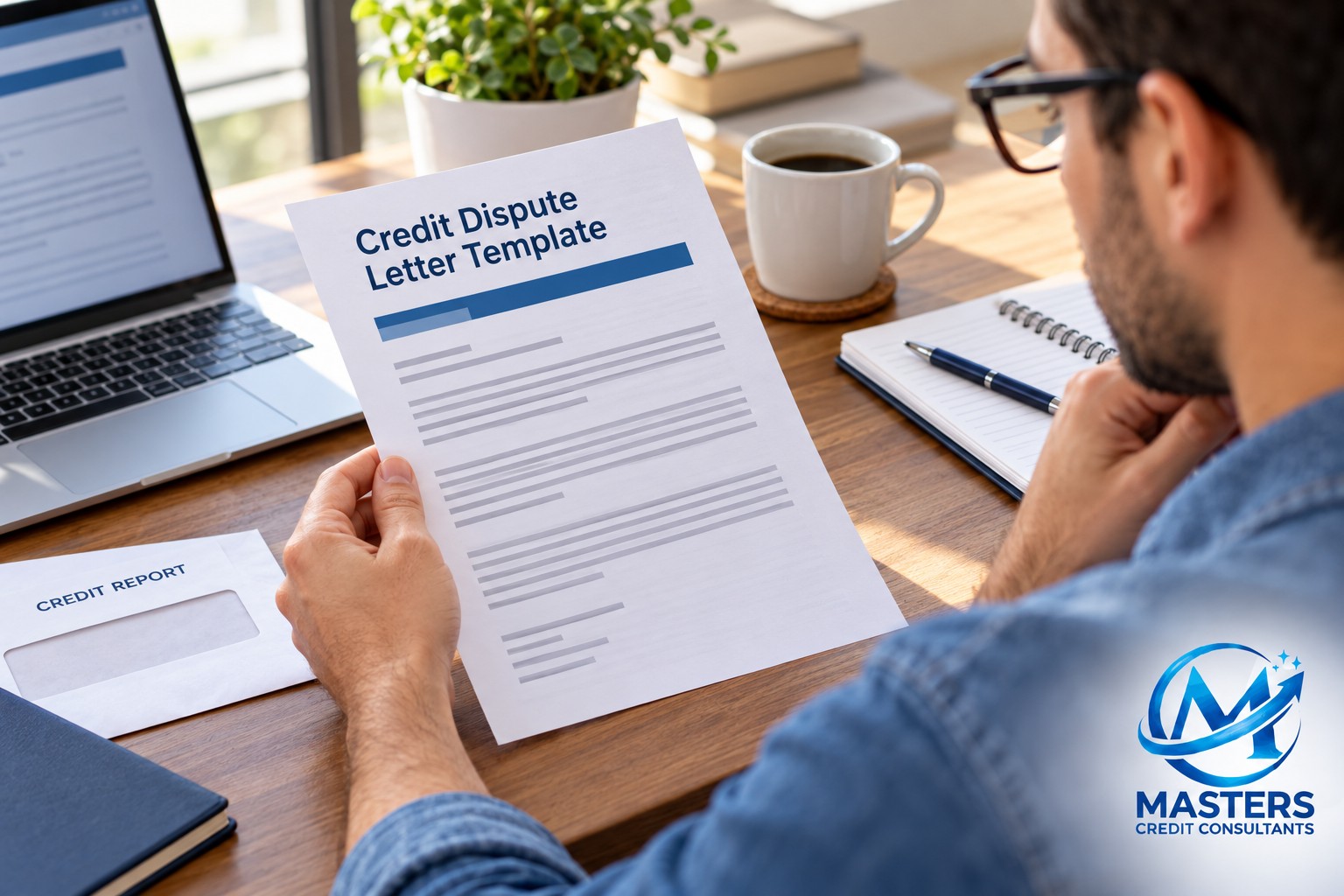
Consumers have the right to dispute inaccurate information appearing on their credit reports.
When appropriate, a credit fixing service may help organize the information needed for the dispute process and provide guidance regarding documentation and communication.
The purpose is accuracy—not simply the removal of negative information.
4. Monitor Changes and Progress
Credit improvement is rarely a one-time activity.
Reports can change as creditors update information, balances change, accounts age, disputes are investigated, and new payment activity is reported.
Monitoring helps you understand what has changed and what still requires attention.
5. Build Better Credit Habits
This is one of the most important parts of a successful credit improvement strategy.
Correcting an inaccurate account may help your credit profile, but long-term improvement also depends on how you manage credit going forward.
That can include:
- Making payments on time
- Reducing revolving balances
- Avoiding unnecessary credit applications
- Keeping accounts in good standing
- Monitoring your reports
- Using credit responsibly
- Maintaining a manageable budget
Professional credit help should support better financial decision-making rather than replace it.
What Can a Credit Fixing Service Actually Do?
One of the most common questions consumers have is what a credit fixing company can realistically accomplish.
A legitimate service may help you:
- Understand your credit reports
- Identify potential reporting errors
- Organize supporting documentation
- Navigate appropriate dispute processes
- Monitor changes to your credit profile
- Understand factors affecting your credit
- Develop a personalized credit improvement strategy
- Build stronger financial habits
What a credit fixing service cannot legitimately promise is equally important.
Be cautious of any company claiming it can:
- Guarantee a specific credit score
- Remove every negative account
- Delete accurate information simply because it hurts your score
- Create a completely new credit identity
- Produce major results overnight
Credit improvement should be based on accuracy, strategy, education, and responsible financial behavior.
Do You Need a Credit Fixing Service?
Not everyone needs professional credit repair.
Some consumers are comfortable obtaining their own credit reports, identifying potential errors, communicating with credit bureaus, keeping detailed records, and developing their own credit improvement strategy.
Others may benefit from professional guidance.
A credit fixing service may be worth considering if:
- You don’t understand what’s hurting your credit
- Your reports contain information you believe is inaccurate
- You have multiple credit issues to review
- You’re overwhelmed by the dispute process
- You need help creating an organized credit improvement plan
- You’ve tried improving your credit but aren’t seeing progress
- You’re preparing for an important financial goal
- You want professional guidance and ongoing support
The value of professional credit help often comes from having a clearer strategy and understanding what to prioritize.
Can You Fix Your Credit Yourself?
Yes.
Consumers can review their own credit reports and dispute inaccurate information themselves.
You can also take many important credit-building steps without hiring a company, including paying bills on time, lowering revolving balances, monitoring your reports, and limiting unnecessary applications for new credit.
So why hire a credit fixing service?
For some consumers, the benefit is professional guidance, organization, education, and assistance understanding complicated credit reports.
Think of professional credit repair as assistance—not a requirement.
A reputable company should help you better understand your credit rather than make you feel dependent on its services.
What Factors Affect Your Credit?
Understanding the factors behind your credit profile is essential because credit repair alone does not create strong credit.
Several aspects of your financial behavior may influence your credit scores.
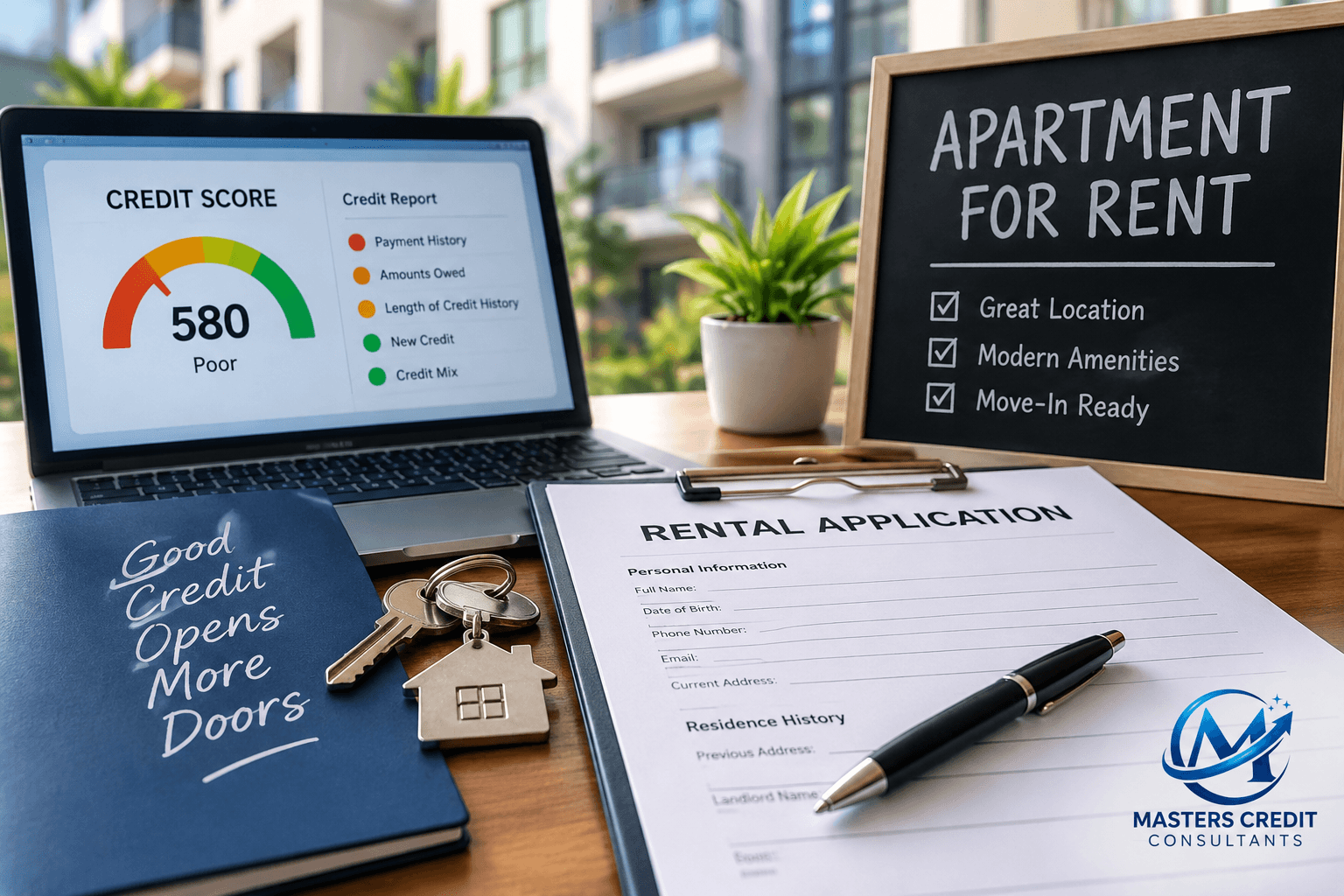
Payment History
Consistently making payments on time is one of the most important habits for maintaining healthy credit.
Late or missed payments can negatively affect your credit profile.
Credit Utilization
Credit utilization refers to how much revolving credit you’re using compared with the amount available to you.
For example, carrying large balances relative to your credit limits may affect your credit scores even when you’re making payments on time.
Reducing revolving balances can therefore be an important part of a credit improvement strategy.
Length of Credit History
Older accounts can contribute to the overall age of your credit history.
This is one reason consumers should carefully consider the potential consequences before closing older accounts.
New Credit Activity
Applying for several credit accounts within a short period may affect your credit profile.
When rebuilding credit, new applications should generally be intentional rather than impulsive.
Credit Mix and Account Management
Different types of accounts and how responsibly they’re managed may also influence credit scoring.
The goal should not be opening accounts simply to create variety. Focus instead on responsibly managing the credit you actually need.
How to Improve Your Credit While Using a Credit Fixing Service
Professional credit repair can address potential reporting problems, but your everyday financial decisions remain extremely important.
Here are several habits that can support your credit improvement efforts.
Pay Every Bill on Time
Create a system that reduces the possibility of forgotten payments.
You might use automatic payments, calendar reminders, budgeting software, or scheduled payment dates.
Consistency matters.
Reduce Credit Card Balances
If you’re carrying high revolving balances, develop a realistic repayment strategy.
Even gradual reductions can move your finances in a healthier direction.
Avoid Unnecessary Credit Applications
Don’t apply for new accounts simply because you’re trying to build credit quickly.
Every financial product should have a clear purpose within your broader strategy.
Review Your Reports Regularly
Credit monitoring isn’t only useful when something goes wrong.
Regular reviews can help you spot unfamiliar accounts, changing balances, inaccurate information, and other potential problems earlier.
Keep Your Information Organized
Save copies of important documents, account statements, correspondence, and records related to your credit.
Good organization can make it easier to understand your history and respond when something needs attention.
Build a Sustainable Budget
Better credit and better financial management are closely connected.
A realistic budget can help you make payments consistently, reduce debt, prepare for emergencies, and avoid relying too heavily on revolving credit.
How Fast Can a Credit Fixing Service Improve Your Credit?
There is no universal timeline for credit improvement.
Your results can depend on factors such as:
- Your current credit profile
- The number and type of issues involved
- Whether inaccurate information is present
- Your payment history
- Your outstanding balances
- Your current credit utilization
- Changes you make to your financial habits
- How creditors and credit bureaus respond to applicable disputes
Some people may notice changes relatively quickly, while others may need considerably more time.
Be cautious when a company promises dramatic results within a specific number of days.
A responsible credit fixing service should set realistic expectations based on your individual situation rather than guarantee an outcome.
How to Choose the Best Credit Fixing Service
Choosing the right company matters.
Before working with a credit fixing service, evaluate how clearly the company explains its process and what kind of support it provides.
Look for Transparency
The company should clearly explain:
- What services it provides
- What the process involves
- What you can reasonably expect
- What responsibilities you have
- What fees or costs apply
You should understand what you’re paying for.
Look for Personalized Guidance
Credit situations are different.
Someone dealing primarily with high revolving balances may need a very different strategy from someone dealing with inaccurate reporting or identity-related problems.
Avoid services that appear to use exactly the same strategy for every consumer.
Look for Education
A strong credit repair service should teach you how credit works.
Understanding your credit gives you the ability to maintain your progress long after the initial repair process.
Look for Realistic Expectations
No legitimate company should guarantee an exact score increase.
Instead, the company should explain what can potentially be addressed and what actions may support your long-term progress.
Look for Clear Communication
You should know what’s happening with your credit improvement plan.
Clear communication, progress updates, and accessible support can make the process easier to understand.
Credit Fixing Service Red Flags to Avoid
Be cautious if a credit repair company:
- Guarantees overnight credit repair
- Promises a specific score increase
- Claims every negative item can be removed
- Encourages you to dispute information you know is accurate
- Tells you to provide false information
- Cannot clearly explain its services
- Avoids questions about fees
- Makes unrealistic financial promises
If an offer sounds too good to be true, investigate carefully before providing personal or financial information.
Credit Fixing Service vs. Credit Counseling
These services are sometimes confused, but they can serve different purposes.
A credit fixing or credit repair service generally focuses on reviewing credit reports, identifying potentially inaccurate information, assisting with applicable disputes, and developing a credit improvement strategy.
Credit counseling generally focuses more broadly on budgeting, debt management, financial education, and managing existing financial obligations.
The right option depends on the problem you’re trying to solve.
Some consumers may benefit from credit repair, some from credit counseling, and others may simply need a better budgeting and debt repayment strategy.
Is a Credit Fixing Service Worth It?
A credit fixing service may be worth considering when you need professional help understanding your credit reports, identifying potential reporting issues, organizing the dispute process, or creating a structured improvement strategy.
However, professional credit repair is not a substitute for responsible financial behavior.
The greatest long-term value comes from combining accurate credit reporting with habits that support a healthier credit profile.
Before paying for any service, understand:
- What the company will do
- What it cannot do
- What you’ll pay
- What results are realistic
- What actions you’ll need to take yourself
Questions to Ask Before Hiring a Credit Fixing Company
Before choosing a provider, ask:
How does your credit repair process work?
The company should be able to explain its process in simple language.
What will you review on my credit reports?
Look for a comprehensive review rather than promises to automatically dispute everything negative.
How will I know what’s happening with my account?
Ask how progress and updates are communicated.
What results can you guarantee?
The appropriate answer should involve realistic expectations rather than guaranteed score increases or guaranteed deletion of accurate information.
What do you need from me?
Credit improvement usually requires participation from the consumer, particularly when it comes to documentation, payments, budgeting, and responsible credit use.
How will you help me maintain better credit?
Long-term education should be part of a strong credit improvement strategy.
Why Credit Education Matters
One of the biggest mistakes people make is viewing credit repair as a temporary fix.
Removing or correcting inaccurate information doesn’t automatically prevent future credit problems.
Understanding how credit works helps you make better decisions about:
- Credit cards
- Payment schedules
- Account balances
- Financing
- Debt
- New credit applications
- Credit monitoring
- Long-term financial planning
The ultimate goal shouldn’t simply be a different number on your credit report.
It should be creating a stronger financial foundation.
Working With Masters Credit Consultants
If you’re looking for professional guidance, Masters Credit Consultants provides personalized credit improvement strategies designed to help consumers better understand and strengthen their credit profiles.
Rather than approaching credit improvement as a one-size-fits-all process, the goal is to understand what’s affecting your individual credit situation and create an appropriate path forward.
Professional guidance may be especially helpful if you’re preparing to:
- Purchase a home
- Finance a vehicle
- Apply for better lending opportunities
- Strengthen your financial profile
- Prepare for future business financing
- Regain confidence in your credit
The process begins with understanding where your credit stands today and identifying the steps that may help you move forward.
People Also Ask About Credit Fixing Services
What does a credit fixing service do?
A credit fixing service reviews your credit reports, helps identify potentially inaccurate or incomplete information, assists with appropriate credit disputes, and may provide guidance for improving your overall credit profile.
Are credit fixing services legitimate?
Legitimate credit repair services exist, but consumers should carefully evaluate any company before enrolling. Look for transparency, realistic expectations, clear pricing, education, and a process focused on accurate credit reporting.
Can a credit fixing service remove negative items?
A credit fixing service may help challenge information that is inaccurate, incomplete, outdated, or otherwise legitimately disputable. Accurate negative information cannot simply be guaranteed for removal.
Can I fix my credit myself?
Yes. Consumers can obtain their credit reports, review their information, dispute inaccuracies, pay down balances, make payments on time, and build healthier credit habits without hiring a credit repair company.
How long does credit fixing take?
There is no single timeline. Credit improvement depends on your individual credit history, the issues affecting your reports, your balances, payment behavior, and other factors.
Does paying off debt improve your credit?
Paying down debt can improve your overall financial health and may positively affect factors such as revolving credit utilization. The exact impact on a credit score depends on the individual’s credit profile and scoring model.
What is the fastest way to improve credit?
There is no guaranteed shortcut. Reviewing your reports for errors, making every payment on time, reducing high revolving balances, limiting unnecessary new credit applications, and consistently managing your accounts responsibly are important steps.
What should I look for in a credit fixing service?
Look for transparent pricing and processes, personalized credit analysis, realistic expectations, clear communication, educational support, and a focus on accurate credit reporting rather than guaranteed deletions or score increases.
Final Thoughts: Building Better Credit Starts With the Right Strategy
A credit fixing service can be useful when you need help understanding your credit reports, identifying potential reporting problems, navigating appropriate disputes, and developing a clearer strategy for improvement.
But sustainable credit improvement goes beyond repairing errors.
It comes from combining accurate credit reporting with consistent financial habits: paying bills on time, managing balances responsibly, monitoring your reports, using new credit carefully, and understanding the decisions that affect your financial future.
The right credit repair company shouldn’t promise a shortcut.
It should help you understand your credit, identify realistic opportunities for improvement, and create a strategy you can continue using long after the repair process begins.
If you’re ready to better understand your credit and determine what steps may help you move forward, Masters Credit Consultants can provide personalized guidance based on your individual credit profile.
Ready to Take the Next Step?
Schedule a free consultation with Masters Credit Consultants and discover how a personalized credit improvement strategy can help you achieve your financial goals.
Whether you’re preparing to buy a home, qualify for better financing, rebuild after financial hardship, or strengthen your business opportunities, taking action today could open the door to greater possibilities tomorrow.
📞 Phone: 1-844-620-8796
🌐 Website: https://www.masterscredit.com
📅 Schedule Your Free Consultation:
https://www.masterscredit.com/sign-up/
Additional Helpful Links
- Credit Repair Services: The First Step Toward Approval
- Credit Repair Houston: A Smarter Guide to Rebuilding Your Credit and Unlocking Better Financial Opportunities
- Credit Repair Near Me When DIY Isn’t Working? Here’s What to Do
- Why Your Credit Dispute Was Verified: Now What?
Related Questions
-
How does a credit fixing service work?
-
How long does it take to fix your credit?
- Can a credit fixing service remove negative items from my credit report?
- Is it better to fix my credit myself or hire a credit repair specialist?
- What should I look for when choosing a credit fixing service?
- What are the fastest ways to improve my credit score?








Leave A Comment